Leave A Message
If you are interested in our products and want to know more details,please leave a message here,we will reply you as soon as we can.

Packaging manufacturers are continuing to invest in automation as production requirements become more demanding. Labor challenges, rising operating costs, increasing product variety, and the need for more consistent production are encouraging manufacturers to look for more efficient packaging solutions.
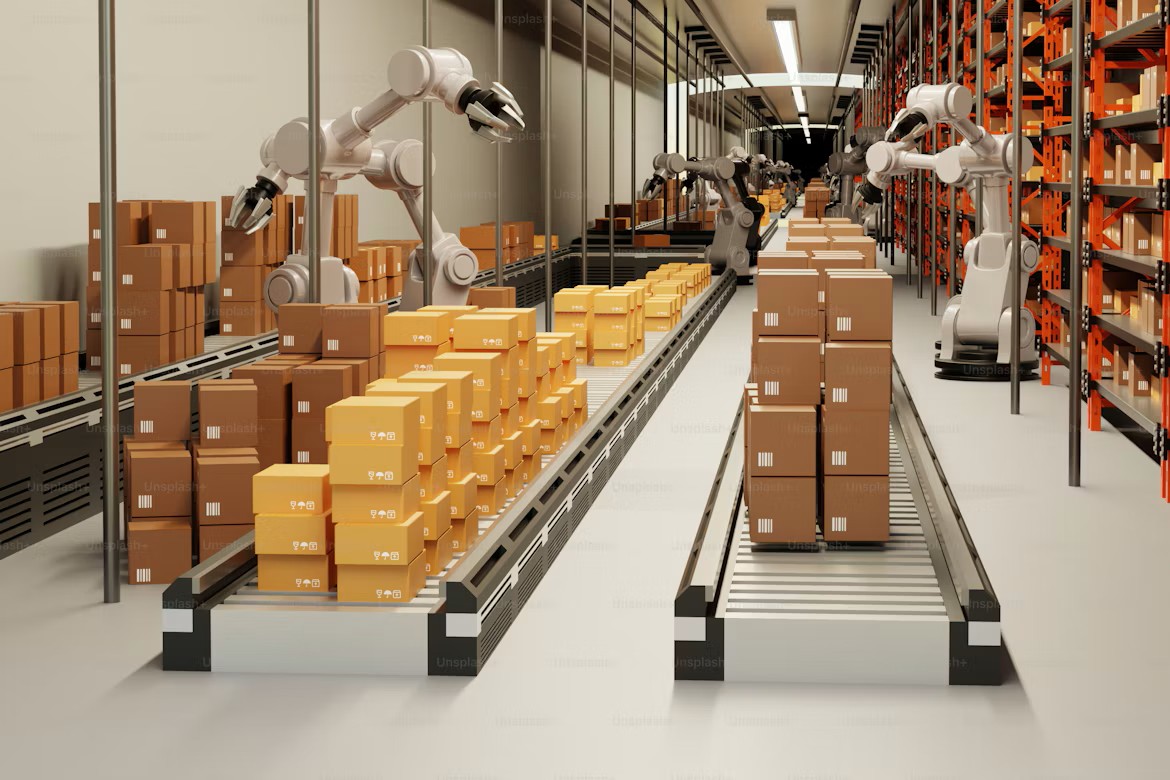
According to the latest 2026 industry report from PMMI, automation and workforce challenges remain important factors influencing packaging machinery investment. End-of-line automation, including robotic palletizing and automated material handling, is becoming an increasingly important part of modern production lines.
For many manufacturers, packaging automation is no longer limited to high-speed production. Companies are also looking for equipment that can improve flexibility, reduce repetitive manual work, and make production processes easier to manage.
Growing Interest in End-of-Line Automation
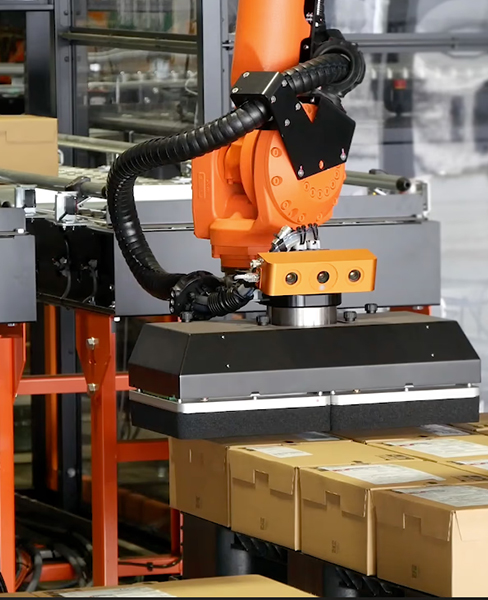
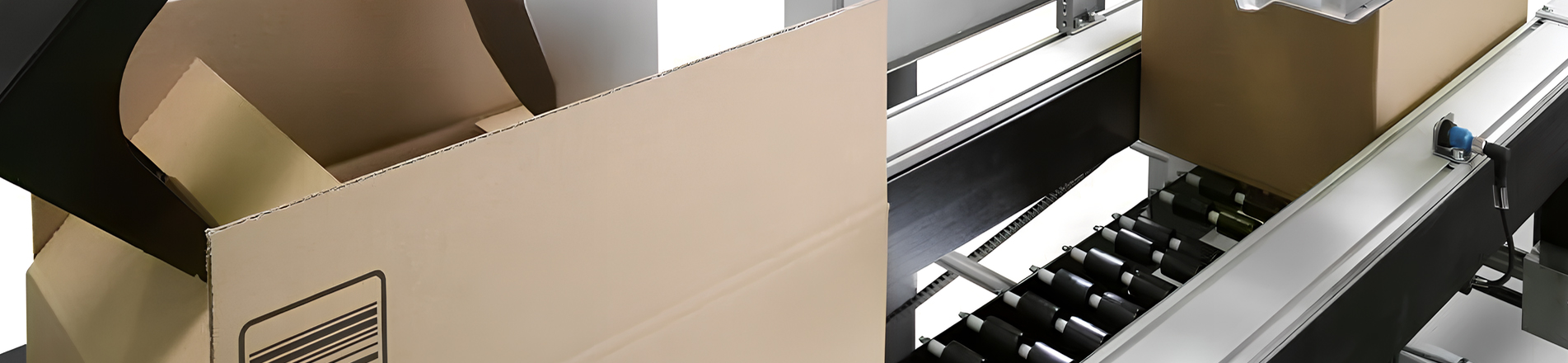
End-of-line packaging is one area where automation can bring significant benefits. Processes such as carton erecting, carton sealing, bag insertion, liner insertion, case packing, and palletizing often involve repetitive manual operations.
Automating these processes can help manufacturers improve production consistency while reducing dependence on manual labor. It can also allow operators to focus on machine operation, quality control, and other higher-value tasks.
Flexibility Is Becoming More Important
Modern production lines often handle multiple products, package sizes, and packaging formats. As a result, manufacturers are looking for packaging equipment that can adapt to changing production requirements.
Flexible automation solutions can help companies handle different packaging formats while maintaining stable production performance. Easy changeovers, reliable operation, and simple machine integration are becoming important considerations when selecting packaging equipment.
Automation for Different Production Needs
Not every factory needs a fully automated packaging line. Depending on production volume and available space, manufacturers may choose to automate one or two key processes first.
For example, a company may begin with automatic carton sealing or carton erecting and later add case packing, PE liner insertion, or palletizing equipment. This step-by-step approach can allow manufacturers to improve their packaging operations while keeping investment aligned with actual production needs.
As packaging requirements continue to change, automation is expected to remain an important part of modern manufacturing. For manufacturers evaluating new equipment, the key is finding the right balance between automation, flexibility, production requirements, and investment.
Our company provides packaging automation equipment and end-of-line packaging solutions for manufacturers and production facilities in different markets.

