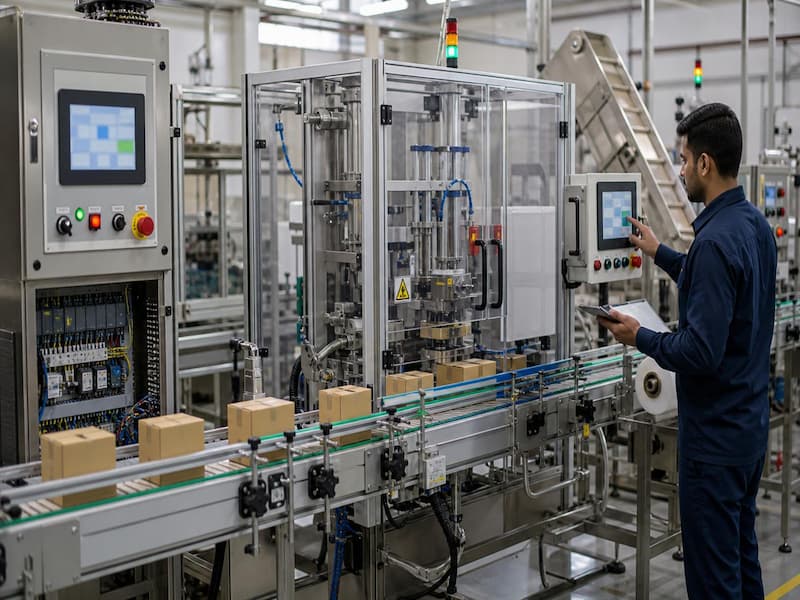
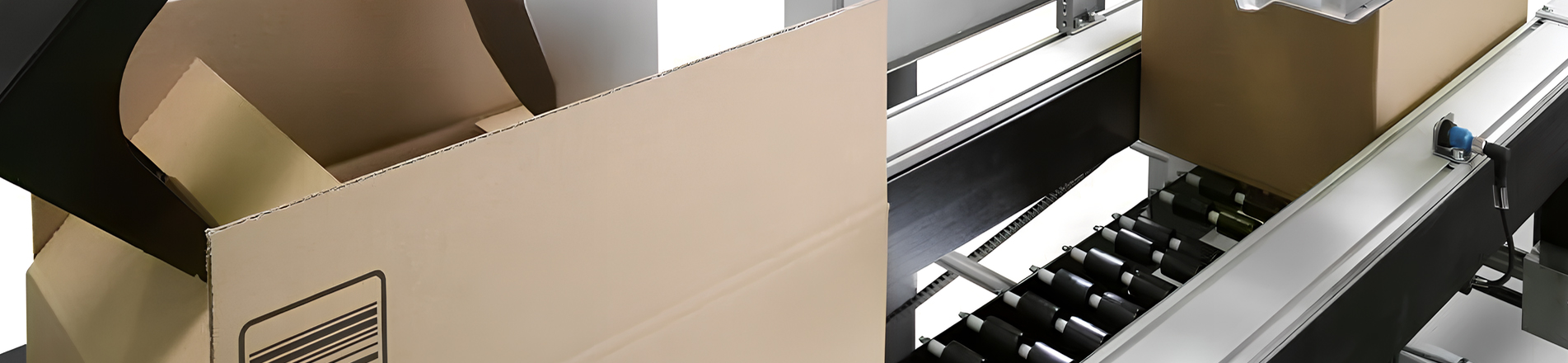
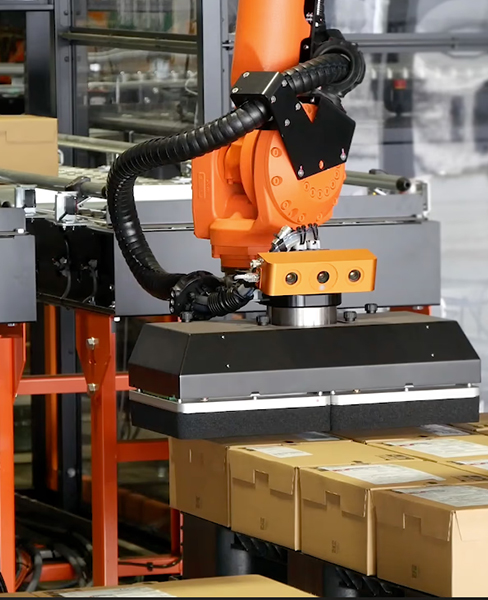
Today, manufacturers are facing many challenges, including rising labor costs, increasing production demands, and the need for faster delivery. Manual packaging may work for small production volumes, but as your business grows, it can become slower, more expensive, and harder to manage. So how do you know when your factory needs packaging automation?
Here are five signs that it may be time to upgrade your packaging process.
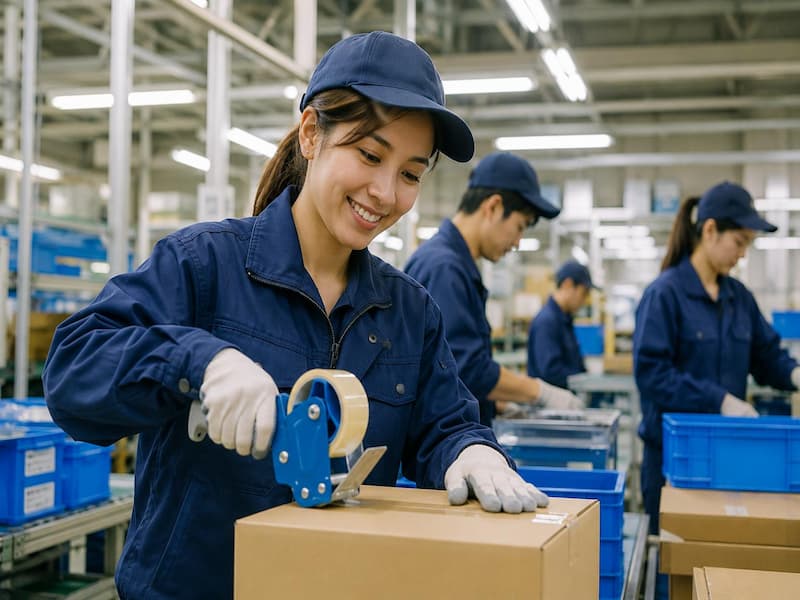
1. Your Factory Relies Too Much on Manual Labor
Many factories still depend on workers to complete repetitive packaging tasks, such as:
- Preparing cartons
- Opening boxes
- Loading products
- Sealing packages
While manual packaging is flexible, it also creates challenges:
- Higher labor costs
- Difficulty finding workers
- Limited production capacity
Packaging automation can reduce repetitive work and help employees focus on more important tasks. Equipment such as Automatic Carton Erectors, Automatic Carton PE Liner Inserter Machines, ,Automatic Carton Sealers, Automatic Weighing System, Strapping Machine, Patterlizing System can improve efficiency and reduce labor dependence.
2. Your Packaging Speed Cannot Meet Production Demand
When orders increase, manual packaging can become a bottleneck.
Common problems include:
- Slow packaging speed
- Production delays
- Higher overtime costs
An Automated Packaging System can provide faster and more stable operation, helping manufacturers increase output and meet customer demand.
3. Your Packaging Quality Is Not Consistent
Packaging quality directly affects customer satisfaction and brand image.
Manual packaging may result in:
- Different sealing quality
- Incorrect carton forming
- Inconsistent appearance
Automation helps create a more stable packaging process. For example, an Automatic Carton Erector ensures consistent box forming, while an Automatic Carton Sealer provides reliable carton sealing.
4. Your Packaging Workflow Is Not Efficient
As production grows, many factories face problems with:
- Too much manual handling
- Poor production flow
- Space limitations
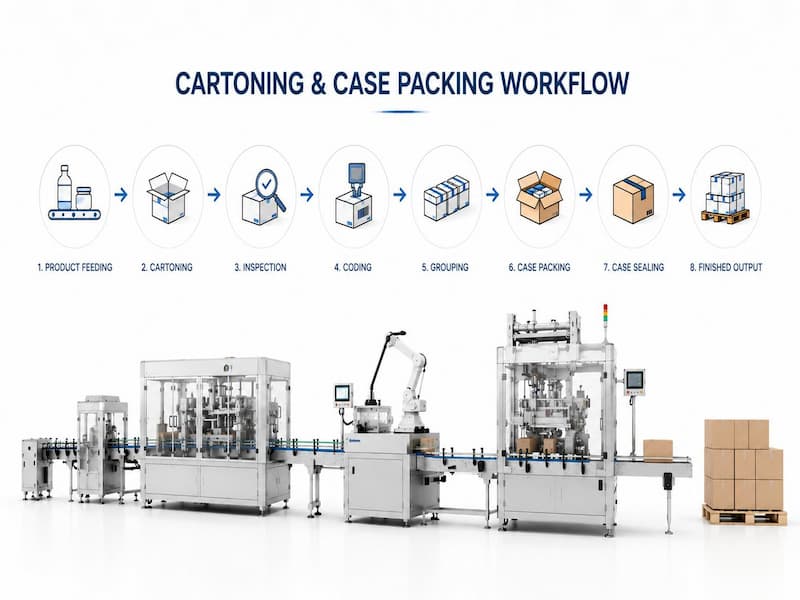
A complete End-of-Line Packaging Automation System can connect different processes together, including:
- Carton forming
- Product loading
- Bagging
- Carton sealing
- Material transfer
This creates a smoother and more efficient packaging workflow.
5. Your Business Is Ready for Future Growth
Many companies start with manual packaging and upgrade to automation when production increases. Investing in packaging automation can help manufacturers:
- Increase production capacity
- Reduce labor costs
- Improve packaging consistency
- Prepare for future growth
Automation is not only a solution for today’s challenges, but also a long-term investment for your business.

How Packaging Automation Helps Manufacturers
| Challenge |
Automation Benefit |
| High labor costs |
Reduce Manual Operations |
| Slow packaging speed |
Improve Production Efficiency |
| Quality differences |
Create Consistent Packaging |
| Growing Orders |
Support Higher Production Capacity |
Choosing the Right Packaging Automation Solution
Every factory has different requirements. Before choosing a packaging automation solution, consider:
Product Requirements
- Product size
- Product weight
- Packaging materials
Production Requirements
- Production speed
- Daily output
- Future expansion plans
A professional packaging automation supplier can help design the right solution based on your production needs.
Packaging automation is not only about replacing manual work. It helps manufacturers create a faster, more reliable, and more efficient production process. By choosing the right Packaging Automation Solution, companies can reduce costs, improve productivity, and prepare their factories for future growth. An experienced automatic packaging machine supplier can help you build a complete and reliable end-of-line packaging system.